Low carbon web development
Sustainable software is cheaper, more performant, more secure, and more resilient.
“In 2023, Microsoft fixed a Windows defender bug that affected Firefox, and as a result saved approximately as much energy as shutting down a coal fired power plant.”
This outcome validates that even small changes can result in significant energy savings.
What is Sustainable Software?
Green software is software that is responsible for emitting fewer greenhouse gases. Our focus is on reduction (Abatement), not neutralization.
Web development falls under Scope 3 (Purchased goods and services emissions ) Category 1 of the Greenhouse Gas (GHG) Protocol, representing the indirect emissions arising from a reporting company's acquisition of goods and services.
Unlike Scope 1 and 2 emissions, which account for direct emissions from owned or controlled sources and indirect emissions from the generation of purchased energy, respectively, Scope 3 emissions encompass all other indirect emissions that occur within a company's value chain. This includes upstream and downstream emissions, with purchased goods and services emissions forming a significant part of the upstream emissions.
Why does typeof care about sustainability?
In response to society's expectations and to pass on a better environment to future generations, typeof provides business value by building software using a sustainable mindset--meaning that typeof makes concious decisions to reduce the energy our software uses.
Sustainability is the reason that Nintendo™, X-Box, Playstation, and other gaming devices have a low energy mode. We can apply that same practice--as well as other low carbon development practices--to the software we build resulting in lower costs. This might be the first step in your sustainability journey.
A thing is right when it tends to preserve the integrity, stability, and beauty of the biotic community. It is wrong when it tends otherwise.
Do you know who else cares about sustainability in Software?
“Build resilience, reduce costs, and unlock sustainable growth through the smarter use of data and AI with Google Cloud”
“Climate change requires swift, collective action and technological innovation. We are committed to meeting our own goals while enabling others to do the same.”
“Climate scientists agree that the world needs to reduce carbon emissions, and we’re working to do our part. We aim to reach net-zero carbon emissions across our operations by 2040 by investing in carbon-free energy, scaling solutions, and collaborating with partners to broaden our impact.”
“Vercel is committed to serverless architecture — an energy-efficient alternative to traditional servers. Whereas traditional servers must remain powered up even when idle for long durations, serverless computation runs only on-demand.”
Additionally, Accenture, GitHub, Microsoft and ThoughtWorks launched the Green Software Foundation with the Linux Foundation to put sustainability at the core of software engineering.
Read more on The Official Microsoft Blog https://blogs.microsoft.com/blog/2021/05/25/accenture-github-microsoft-and-thoughtworks-launch-the-green-software-foundation-with-the-linux-foundation-to-put-sustainability-at-the-core-of-software-engineering/
What are the pillars of low carbon software?
- Carbon Efficiency
- Build applications that are carbon efficient.
- Energy Efficiency
- Build applications that are energy efficient.
- Carbon Awareness
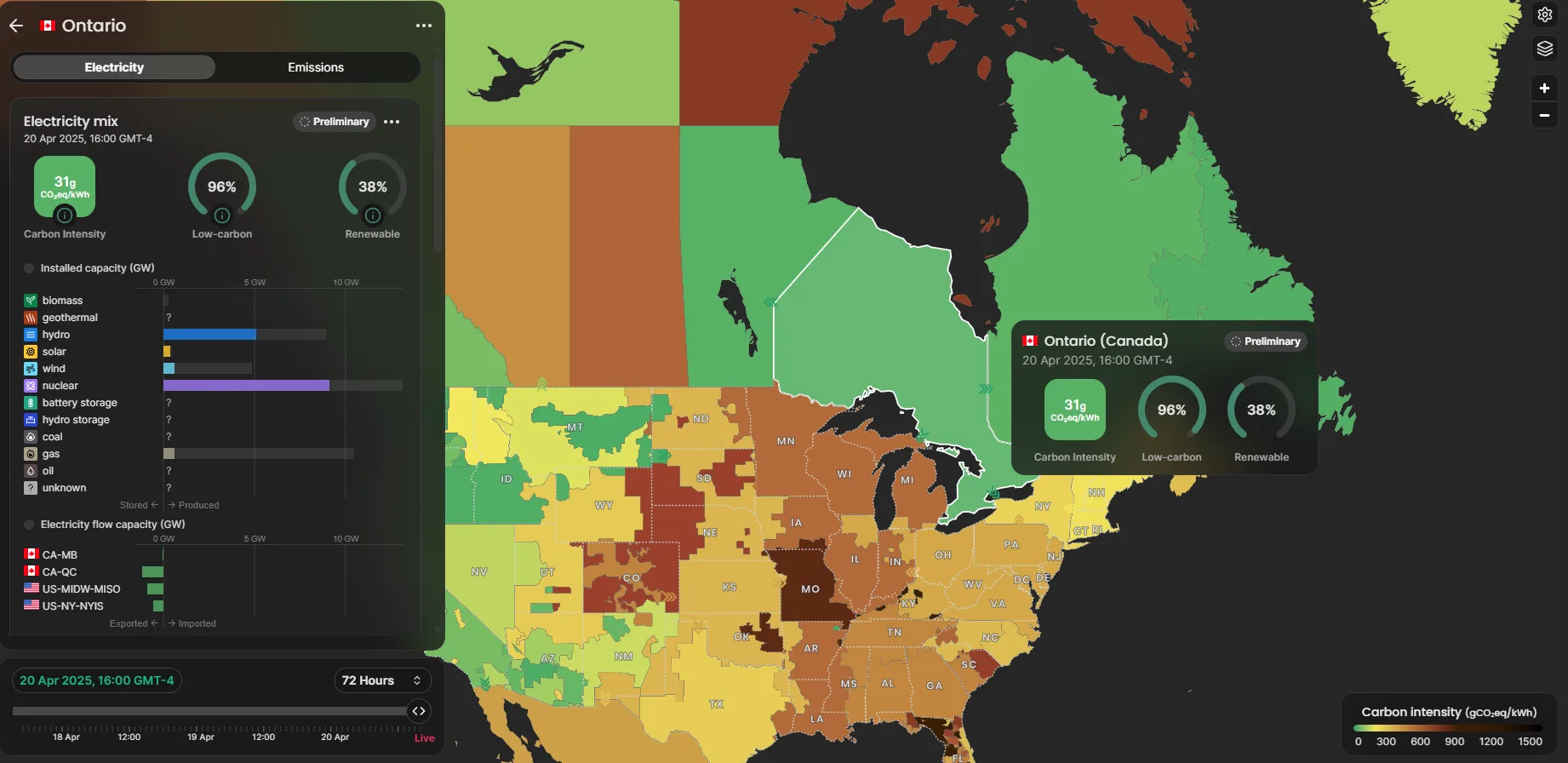
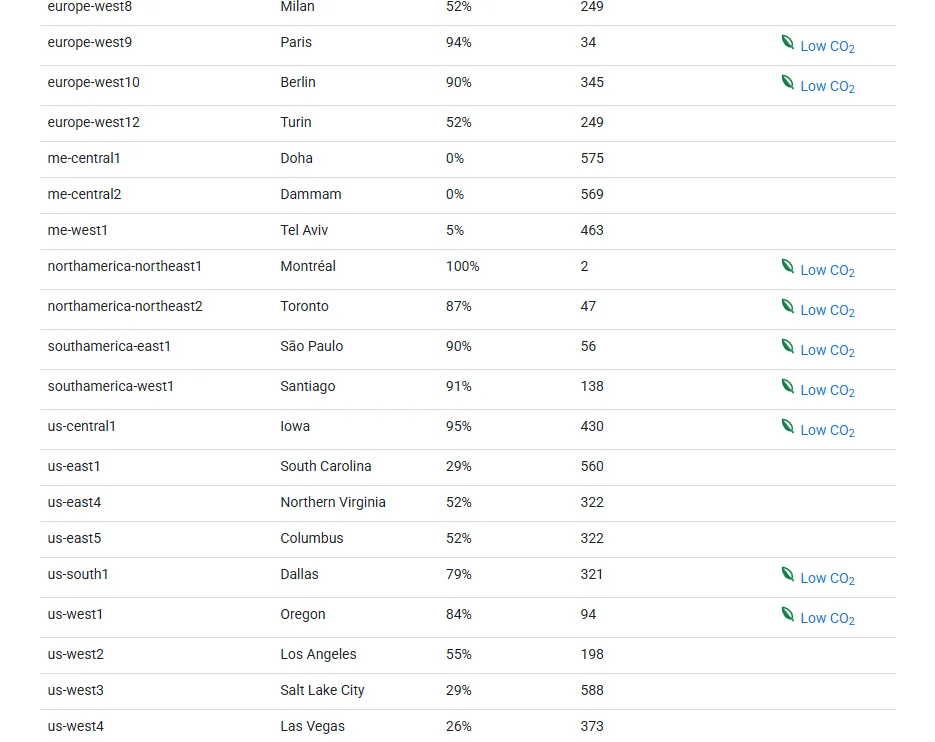
- Consume electricity with the lowest carbon intensity.
- Hardware Efficiency
- Build applications that are hardware efficient.
- Measurement
- Improve sustainability through measurement.
- Climate Commitments
- Defining the exact mechanism of carbon reduction.
How do you measure software's carbon footprint?
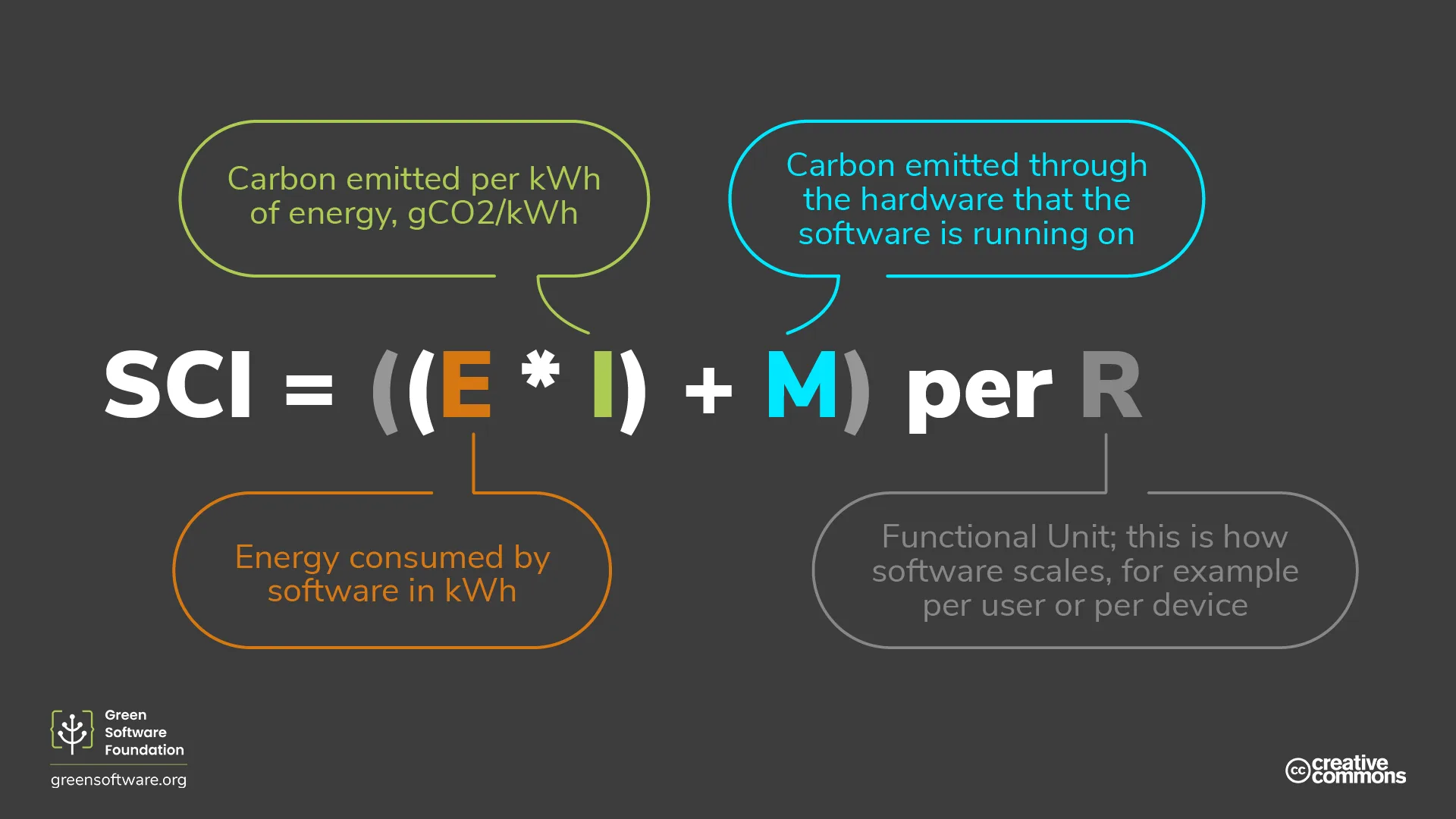
Using the Software Carbon Intensity (SCI) specification.
SCI does not replace the Green House Gas (GHG) protocol. Instead, SCI is an additional metric that software developers can use to understand how their software behaves with respect to carbon emissions so they can make more informed decisions.
Instead of relaying only on scopes 1-3 classification, SCI uses operational emissions (carbon emissions from the running of software) and embodied emissions (carbon emissions from the physical resources required to run the software) to classify carbon usage. SCI is also an intensity, as opposed to a total. Intensity is more relatable to software--in particular open-source.
Find out why typeof is a different typeof agency
We build low carbon, high quality, accessible, compliant, and secure software that is used by Fortune 500s, municipal governments, and everyone in between.